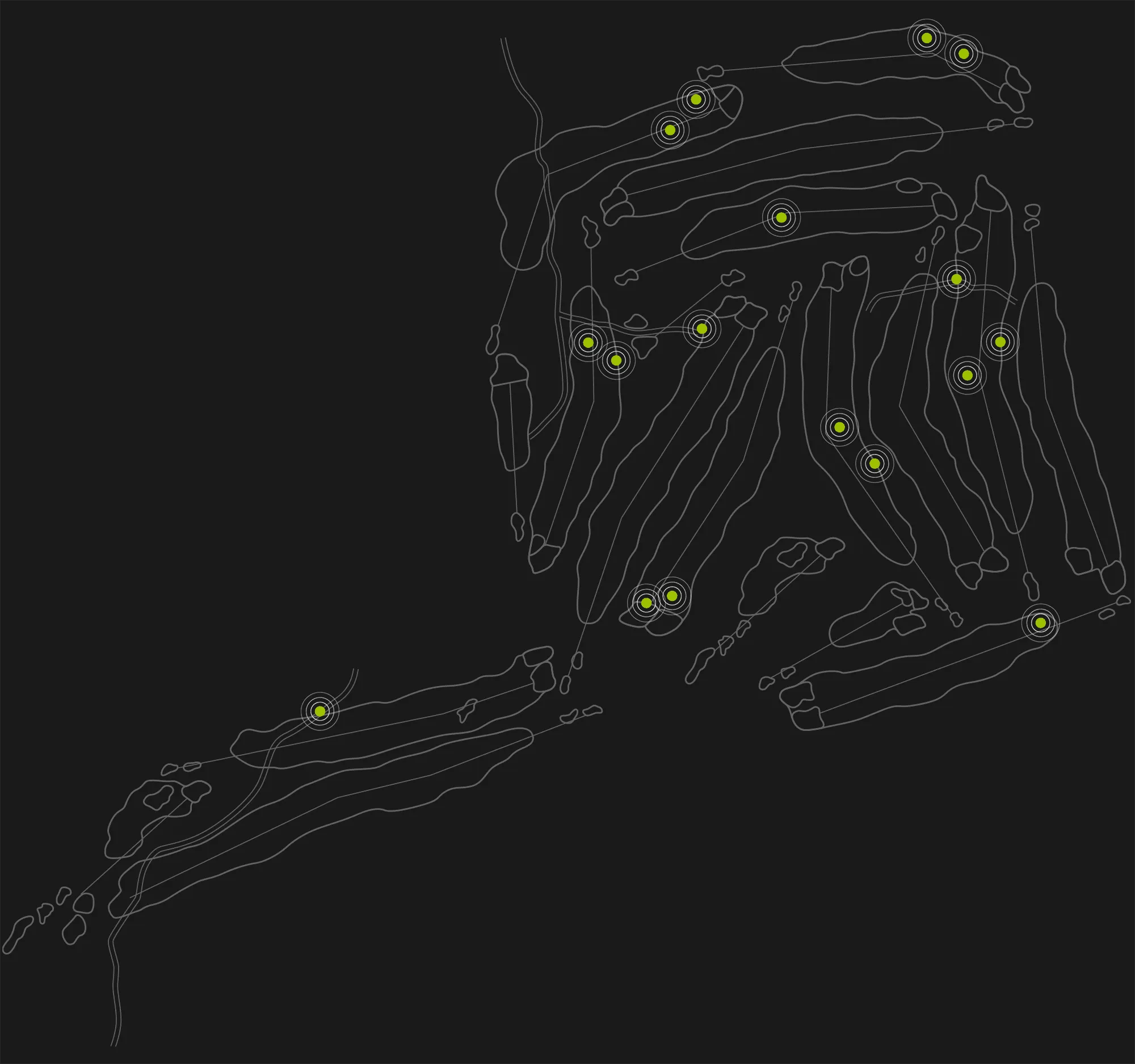
Precision GPS for Golf Carts
Why Accuracy and Consistency Matter for Geofencing, Turf Protection, and the Golfer Experience
Short Answer
Precision GPS improves golf cart management by delivering consistent, repeatable positioning - not just approximate location. This consistency allows courses to enforce cart path rules and restricted areas more fairly, reduce false alerts, protect turf more effectively, and minimize friction for golfers and staff.
What “Precision GPS” Means in a Golf Course Context
Most golf cart GPS systems rely on standard satellite positioning, which can fluctuate by several feet due to trees, terrain, weather, and signal conditions.
Precision GPS refers to positioning systems designed to:
- Reduce location drift
- Deliver repeatable behavior at boundaries
- Maintain stable positioning on uneven terrain
- Trigger alerts at the same physical location every time
On a golf course, this difference is not academic - it directly affects how geofencing works in practice.
Why GPS Accuracy Is More Than a Technical Detail
Courses don’t experience GPS errors as “inaccuracy.”
They experience them as operational problems:
- Alerts firing too early - or too late
- Golfers receiving conflicting signals
- Staff needing to manually intervene
- Cart rules feeling arbitrary or unfair
In practice, predictable behavior matters more than raw accuracy specs. If a system behaves differently from one pass to the next, trust breaks down - regardless of how sophisticated the technology sounds.
The Hidden Cost of GPS Drift on Golf Courses
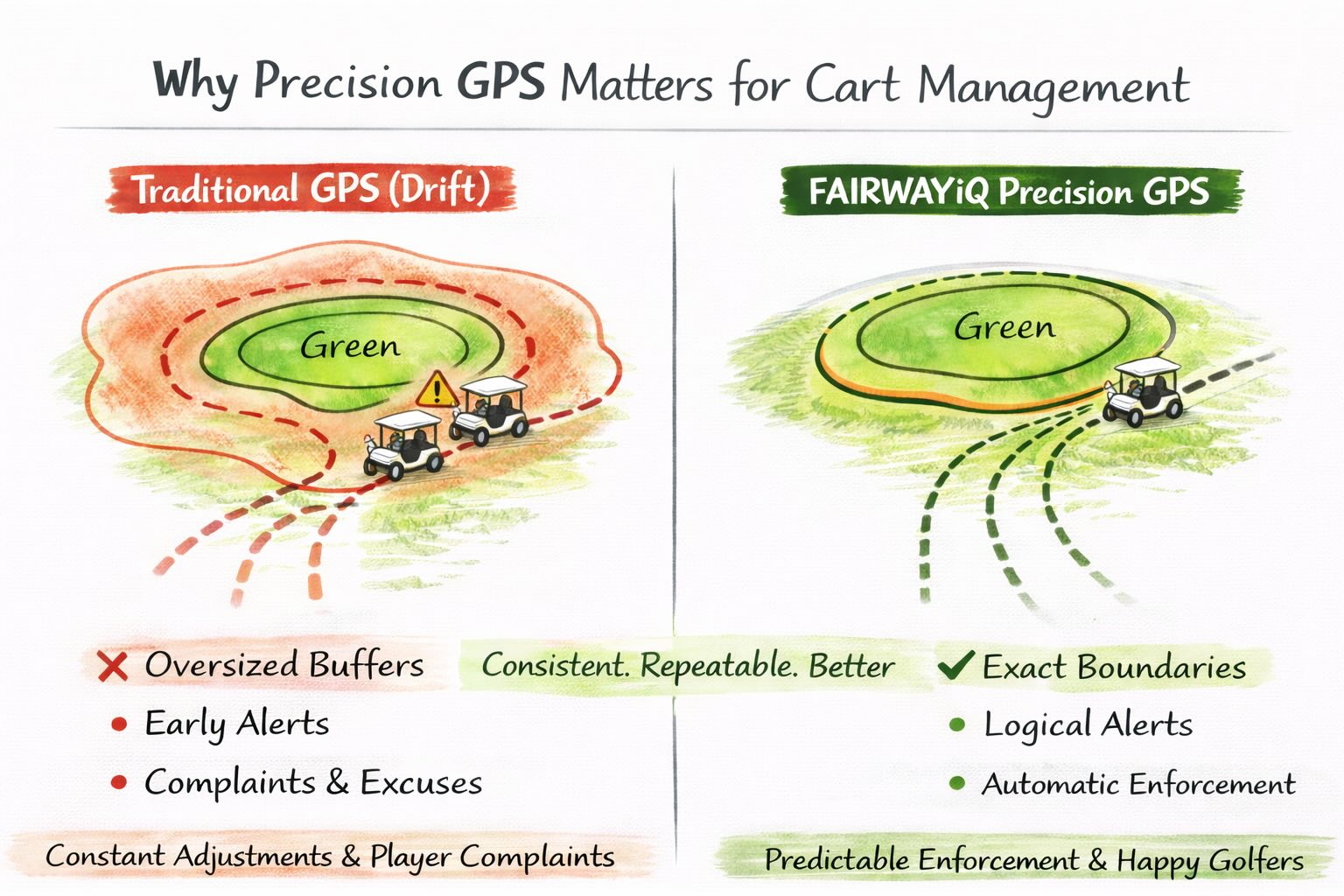
GPS drift forces many systems to rely on buffer zones around cart paths and restricted areas. These buffers are meant to compensate for inaccuracy - but they introduce new problems:
- Early alerts that interrupt play
- Over-restricted access that frustrates golfers
- Reduced compliance because alerts feel wrong
- Inconsistent enforcement across the course
Over time, courses often loosen policies to reduce complaints, sacrificing turf protection in the process.
Why Precision GPS Changes How Golf Cart Geofencing Works
Precision positioning enables a different approach to geofencing:
- Tighter boundaries without excessive buffers
- Repeatable alert locations that golfers quickly understand
- More confidence in cart path and restricted-area enforcement
- Less need for manual ranger intervention
This is especially important for:
- Cart-path-only days
- Wet conditions
- High-traffic choke points
- Sensitive turf areas near greens, bunkers, and slopes
Lessons from Other Industries (Why This Isn’t New)
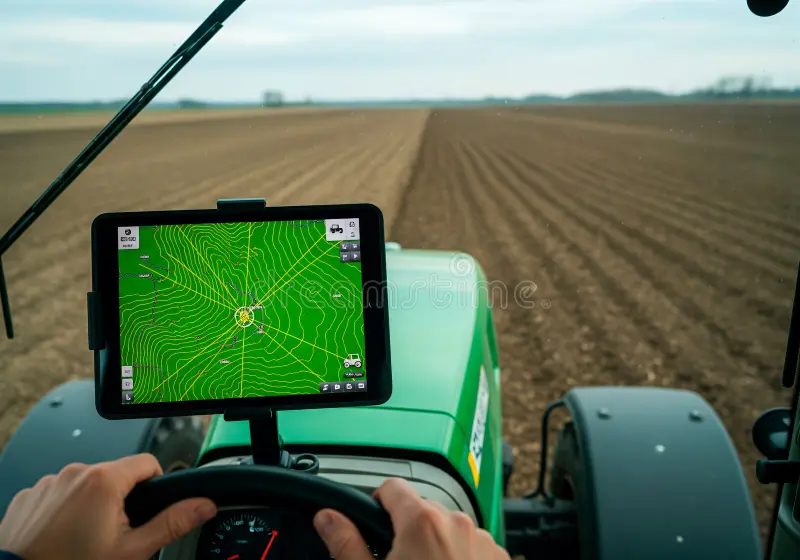
Industries like agriculture have relied on precision GPS for years to guide equipment across valuable surfaces with tight tolerances.
The lesson from those environments is simple:
Accuracy enables consistency.
Consistency enables trust.
Trust enables automation and scale.
Golf courses face a similar challenge - different terrain, different goals, but the same need for predictable equipment behavior.
When Precision GPS Matters Most
Precision positioning delivers the most value when:
- Courses enforce cart path or restricted-area rules
- Turf damage carries real cost
- Golfer compliance depends on fairness
- Staff want less manual enforcement
- Data accuracy matters for reporting and decisions
If a course never restricts cart movement, precision may be less critical.
If enforcement matters, precision becomes foundational.
What Precision GPS Enables Across the Course
Precision positioning supports:
- Cart path geofencing
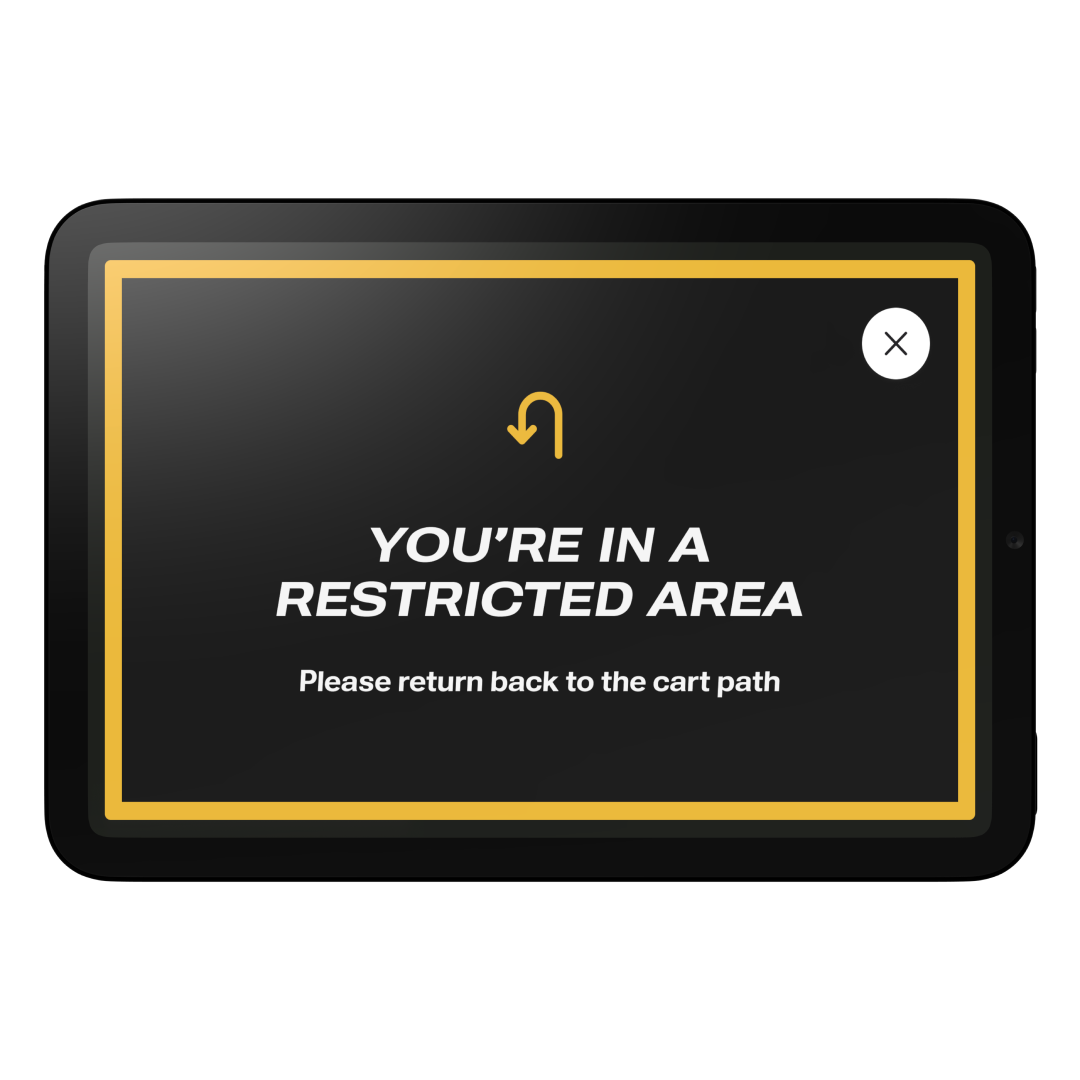
- Restricted-area enforcement
- Cart-path-only policies
- Reduced turf damage
- Cleaner golfer communication
- More reliable operational data
Most importantly, it allows technology to fade into the background - supporting play rather than interrupting it.
Explore Related Guides
To dive deeper into how precision GPS impacts specific operations:
- Precision GPS for Golf Carts: Lessons from Agriculture
- Why GPS Drift Causes False Geofence Alerts
- Cart Path Geofencing Explained
- Zero-Buffer Geofencing: When Accuracy Really Matters
- Cart Path Only Enforcement Without Golfer Frustration
Final Thought
Golf courses don’t need more alerts or stricter rules.
They need systems that behave predictably, fairly, and consistently.
Precision GPS provides the foundation for that behavior - making it a critical consideration for any course evaluating modern golf cart geofencing and management systems.
Related Posts
Precision GPS for Golf Carts: Lessons from Agriculture
Golf Cart Geofencing
Precision GPS for Golf Carts
Revolutionize Your Golf Operations with FAIRWAYiQ
Unlock the power of data analytics to optimize your golf course management