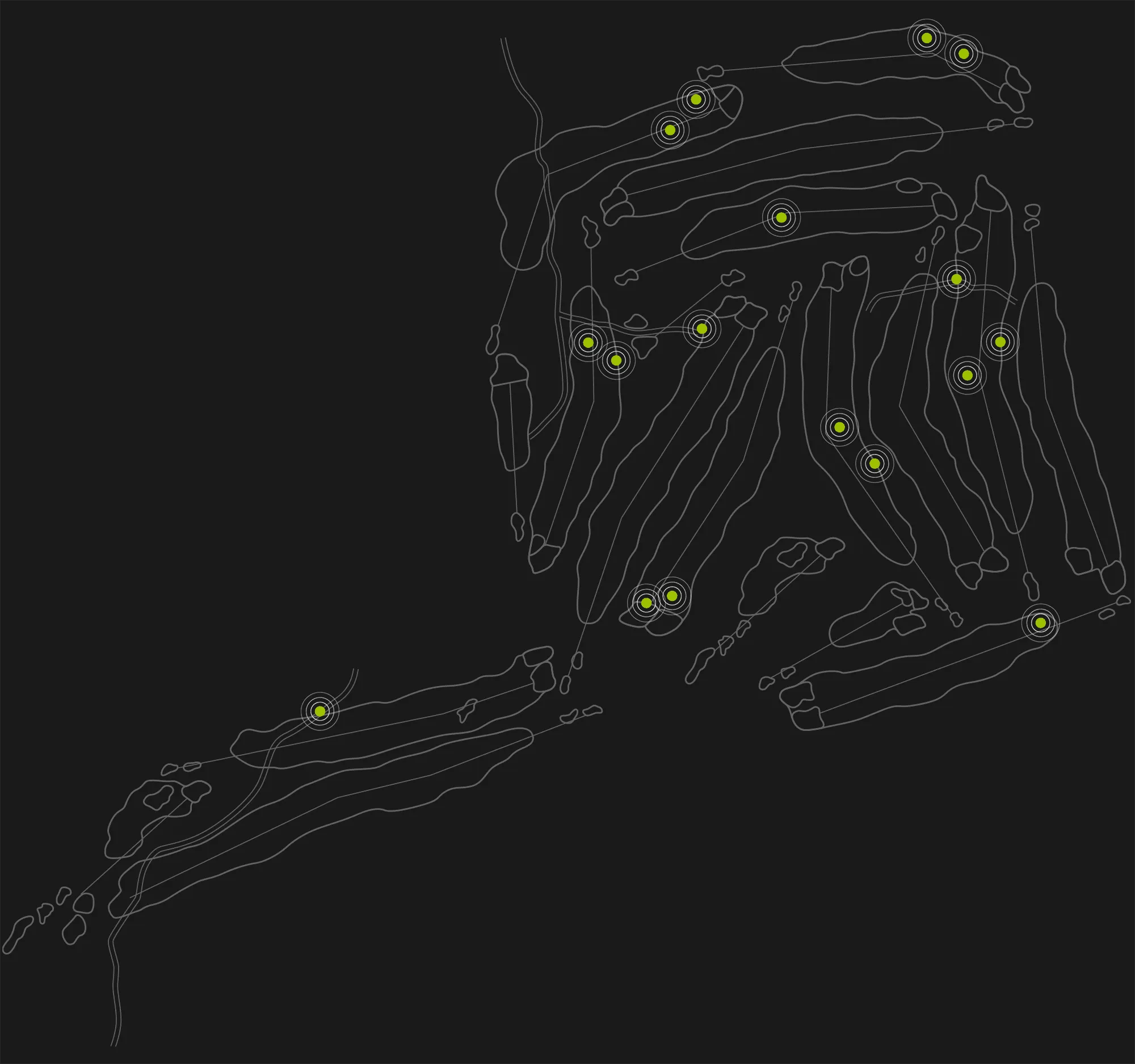
Golf Cart Geofencing
How Courses Use GPS to Protect Turf, Enforce Cart Rules, and Improve the Golfer Experience
Short Answer
Golf cart geofencing uses GPS-based boundaries to control where carts can travel and how they behave. When implemented well, geofencing helps protect turf, enforce cart path rules, and reduce staff intervention—without frustrating golfers. When implemented poorly, it creates false alerts, confusion, and inconsistent enforcement.
What Is Golf Cart Geofencing?
Golf cart geofencing defines virtual boundaries on a golf course - such as cart paths, restricted areas, or no-drive zones—and triggers actions when a cart crosses those boundaries.
Depending on the system, these actions can include:
- On-screen alerts
- Audible warnings
- Speed restrictions
- Notifications to staff
The goal is simple: guide cart behavior without constant human enforcement.
Common Geofencing Use Cases on Golf Courses
Most courses use geofencing for one or more of the following:
Cart Path Enforcement
Ensuring carts remain on designated paths, especially during wet conditions or cart-path-only days.
Restricted Area Protection
Preventing carts from entering:
- Sensitive turf
- Wet or damaged areas
- Slopes near greens and bunkers
- Environmentally protected zones
Pace of Play Support
Reducing bottlenecks and unsafe driving behavior in high-traffic areas.
Operational Visibility
Understanding where carts travel and how rules are followed across the course.
Why Some Geofencing Systems Frustrate Golfers
Courses often expect geofencing to “just work.” In reality, poor implementations create friction.
Common issues include:
- Alerts triggering too early or too late
- Inconsistent behavior from one pass to the next
- Overly restrictive boundaries
- Conflicting signals that feel arbitrary
When golfers can’t predict how a system will behave, compliance drops - and complaints rise.
The Role of GPS Accuracy in Geofencing
Geofencing effectiveness depends heavily on positioning accuracy and consistency.
Standard GPS systems can drift several feet due to trees, terrain, and signal conditions. To compensate, many systems rely on buffer zones, which introduce tradeoffs:
- Early alerts interrupt play
- Boundaries feel disconnected from physical reality
- Enforcement feels unfair
This is why courses often struggle to balance turf protection with golfer experience.
(See: Precision GPS for Golf Carts)
Alerts, Enforcement, and Golfer Experience
How a system communicates matters as much as where boundaries are drawn.
Courses must balance:
- Visual vs audible alerts
- Frequency of notifications
- Clarity of messaging
- Impact on pace of play
The most effective systems guide behavior without becoming the focus of attention.
Cart Path Only Days: Where Geofencing Is Tested
Cart-path-only policies highlight every weakness in a geofencing system.
If alerts fire inconsistently:
- Golfers lose trust
- Staff spend more time intervening
- Rules are quietly relaxed
Reliable geofencing enables courses to enforce path-only rules fairly and consistently, even in challenging conditions.
What Effective Golf Cart Geofencing Enables
When done well, geofencing delivers:
- Better turf protection
- Fewer golfer complaints
- Reduced ranger workload
- Clearer, more consistent enforcement
- Better data for operational decisions
Most importantly, it allows courses to protect the course without becoming the bad guy.
What to Evaluate When Comparing Geofencing Systems
Courses evaluating geofencing should look beyond feature lists and ask:
- How consistent are alerts in real conditions?
- How much buffer is required?
- How often do staff need to intervene?
- How do golfers respond to enforcement?
- How easy is it to adjust boundaries and policies?
Technology should support golf operations - not create new problems.
Explore Related Guides
To go deeper into specific aspects of geofencing:
- Precision GPS for Golf Carts
- Cart Path Geofencing Explained
- GPS Drift and False Alerts on Golf Courses
- Cart Path Only Enforcement Without Golfer Frustration
- Zero-Buffer Geofencing: When Accuracy Matters
Final Thought
Golf cart geofencing works best when it feels predictable, fair, and intentional.
Courses that focus only on enforcement miss the point.
Courses that focus on consistency and golfer experience get better results - with less friction.
Related Posts
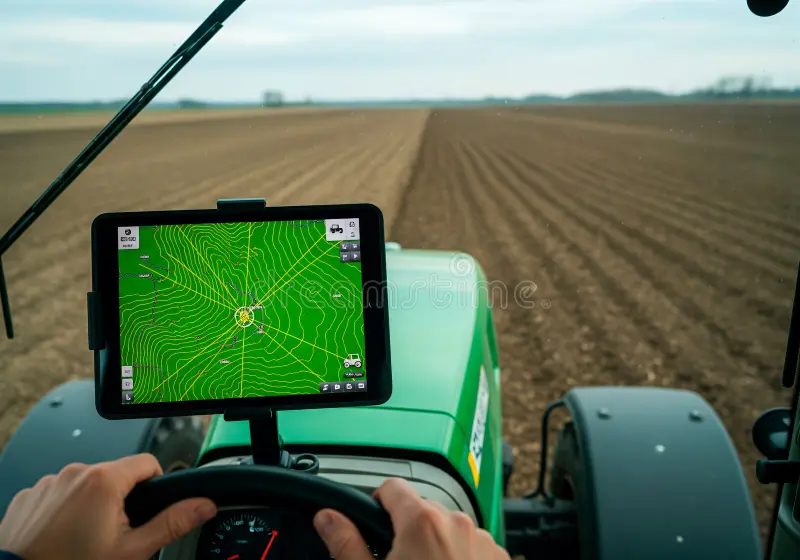
Precision GPS for Golf Carts: Lessons from Agriculture
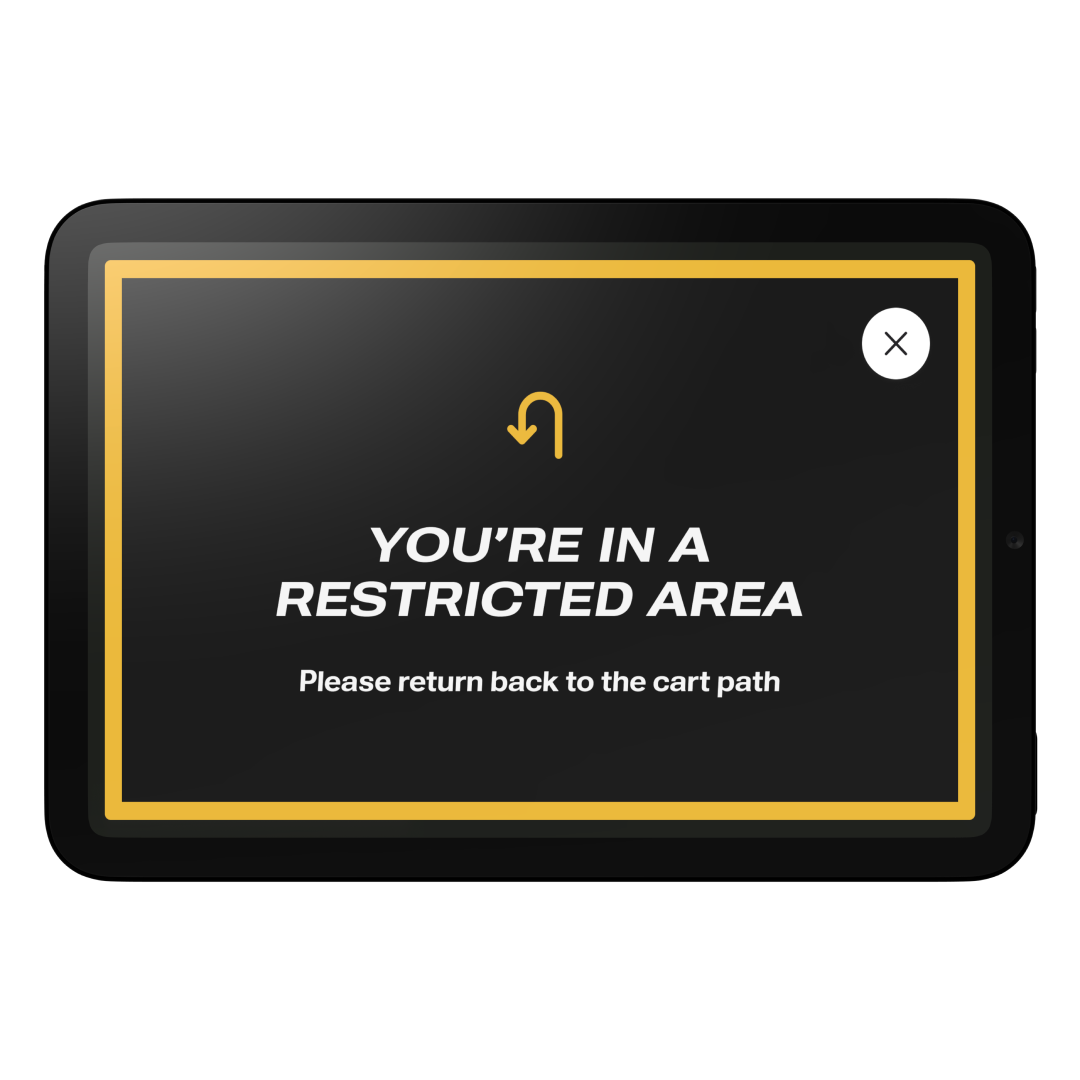
Golf Cart Geofencing
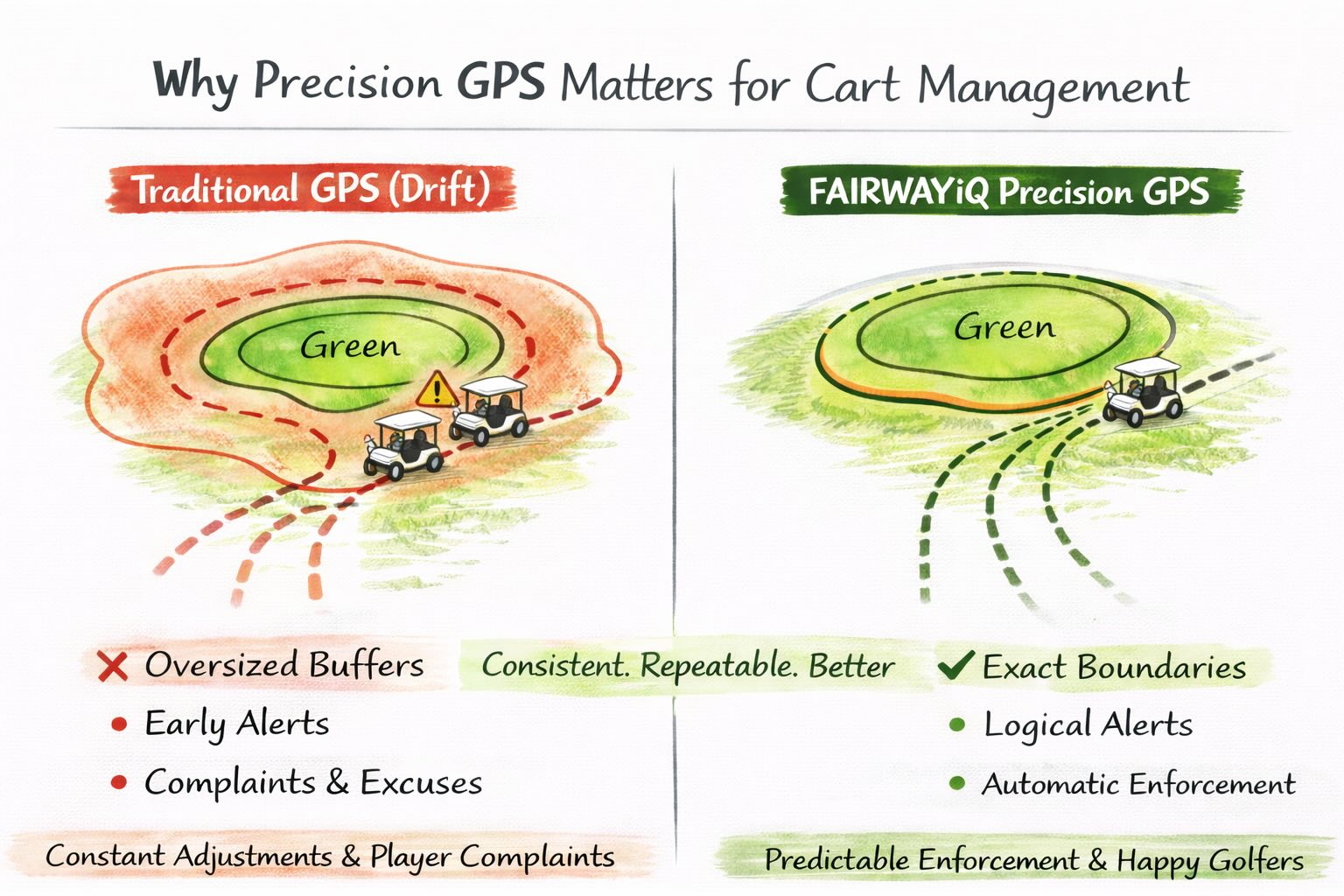
Precision GPS for Golf Carts
Revolutionize Your Golf Operations with FAIRWAYiQ
Unlock the power of data analytics to optimize your golf course management